Endometriosis affects roughly 1 in 10 women, yet getting a diagnosis in Ireland is often a journey measured in years rather than weeks. If you suspect you have it, knowing how the diagnostic pathway actually works — and where each test fits — can shorten that journey considerably.
Start with your GP
Everything begins with your GP. There is no walk-in test that diagnoses endometriosis in a single visit, and the most useful thing you can bring to a first appointment is a clear picture of your symptoms:
- A symptom diary — when pain occurs in your cycle, how severe, what it stops you doing
- Painful periods that don't respond well to over-the-counter relief
- Pain during or after sex
- Heavy or irregular bleeding
- Bowel or bladder pain, especially around your period
- Fatigue, and any family history of endometriosis
Your GP will examine you, may arrange initial tests, and decides the referral route. Being specific about how symptoms affect your life — missed work, missed school, cancelled plans — genuinely changes how the conversation goes.
Where ultrasound fits
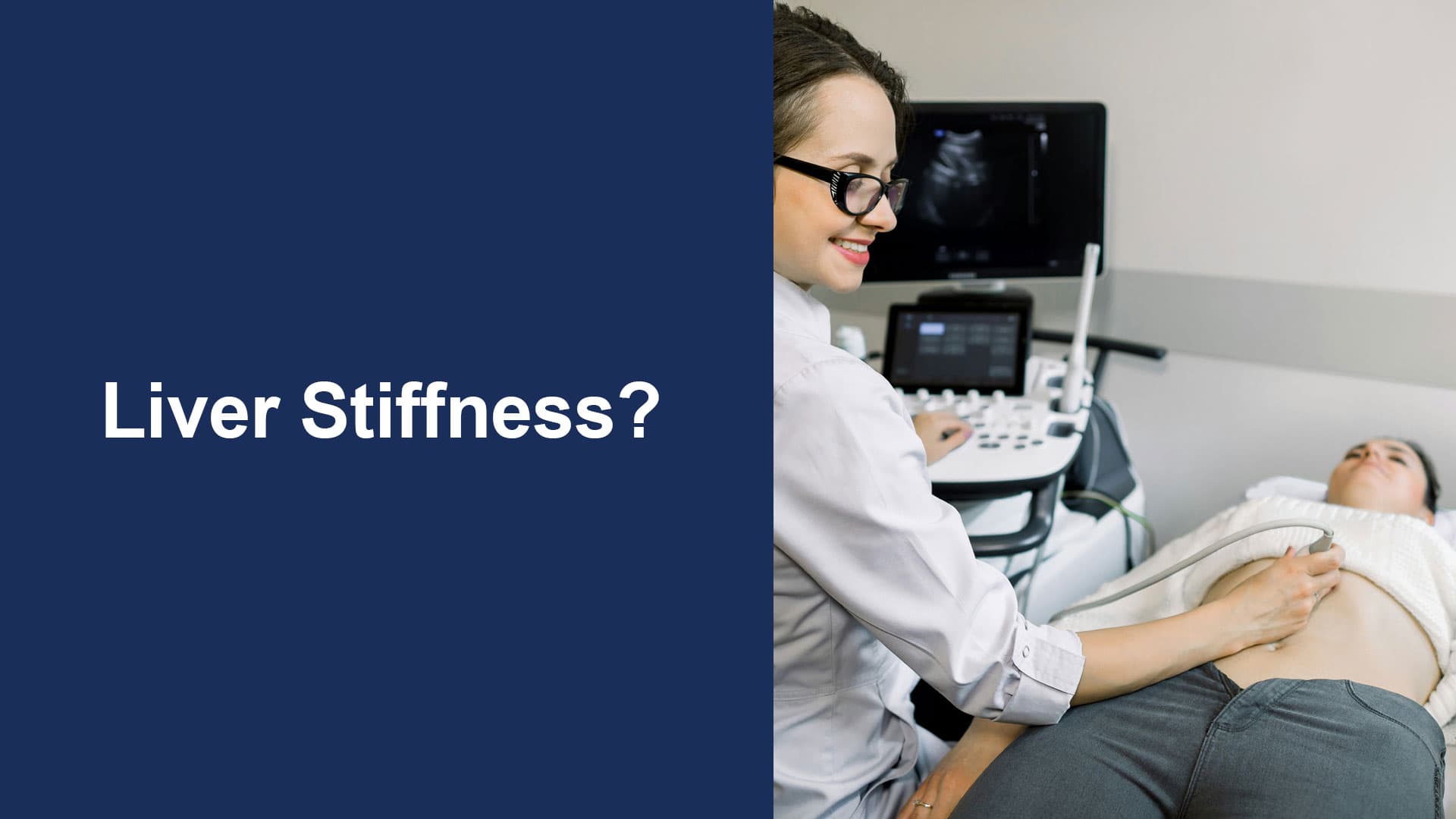
A specialised pelvic ultrasound is usually the first imaging test in the pathway, because it is non-invasive, involves no radiation, and can be done quickly. A dedicated endometriosis screening ultrasound looks for the signs of endometriosis that ultrasound can see:
- Endometriomas — "chocolate cysts" on the ovaries, which show up well on ultrasound
- Deep infiltrating endometriosis — nodules involving structures behind the uterus, assessed with a specialised scanning technique
- Adenomyosis — a related condition where similar tissue grows into the muscle of the uterus, also visible on ultrasound
- Mobility of the pelvic organs — whether organs slide freely or appear tethered by adhesions
What a scan cannot tell you
Honesty matters more with endometriosis than almost any other condition we scan for: a normal ultrasound does not rule out endometriosis. Superficial endometriosis — small deposits on the lining of the pelvis — is often invisible on any scan, no matter how good the equipment or the sonographer.
The only way to definitively confirm or exclude endometriosis remains laparoscopy — keyhole surgery performed by a gynaecology team, where the surgeon can see and biopsy the tissue directly. A scan that finds endometriomas or deep disease can strongly support the diagnosis and help a specialist plan treatment; a normal scan simply means the visible forms weren't found.
What about blood tests?
You may have seen mention of new endometriosis blood or saliva tests. At the time of writing, no such test is part of standard diagnosis in Ireland — if you're considering one, discuss it with your GP first rather than paying privately for something that won't change your referral pathway.
Referral routes in Ireland
Depending on your situation, your GP may refer you to:
- A gynaecologist — publicly via hospital referral, or privately if you have health insurance or wish to self-fund
- The HSE's dedicated endometriosis services — Ireland has been rolling out specialist endometriosis hubs in recent years, accessed by GP referral
- Directly for imaging — a GP or gynaecologist can refer you for a specialised ultrasound at any stage, and the report goes back to them to inform the next step
A scan early in the pathway can be genuinely useful: if it finds endometriomas, deep disease, or adenomyosis, your referral carries objective findings with it — which can change both the urgency and the direction of your care.
The realistic timeline
Studies internationally put the average delay from first symptoms to diagnosis at several years, and Ireland has historically been no exception. The pattern that shortens it: track your symptoms, see your GP early, ask directly about referral options, and don't accept "period pain is normal" if your pain is stopping you living normally. Severe period pain that disrupts work, school, or sleep is a reason to push for investigation.
If your GP or gynaecologist recommends imaging, we provide a specialist Endometriosis Screening Ultrasound Scan at our Dublin clinics, reported by a consultant radiologist and sent to your referrer. Call 01 210 0232 with any questions about the scan itself.
This article is for general information only and is not medical advice. It is not a substitute for professional diagnosis or treatment — always speak to your GP or another qualified healthcare provider about your own situation.